Start with the market requirement
Wholesale sourcing begins with the business buying the product. What does its customer need, through which channel will the product be sold, and what must a suitable product do? A short, specific requirement is more useful than a broad request for the lowest price.
For a UAE-focused inquiry, describe the intended use, destination market, preferred product format and expected purchase pattern. Avoid assuming that a product available through one supplier is suitable for every sales channel.
The clearer the requirement, the more useful the sourcing conversation.
Make the product brief comparable
Give prospective suppliers the same information: product description, material or composition preferences, sizes where relevant, packaging needs, quantity and unit. If you are still exploring options, distinguish the essentials from the preferences.
A consistent brief helps you understand whether responses describe comparable products. A price without a clear specification leaves important commercial questions unanswered.
Separate interest from confirmation
An illustrative catalogue is a starting point for a conversation. It does not establish current inventory, minimum order quantities, product origin or delivery timing. Ask for those details explicitly before making a commercial commitment.
Where samples, testing, product documentation or independent checks are relevant, agree the process with the supplier and appropriate advisers before proceeding.
Plan the first order and the repeat order separately
A first inquiry and a repeat purchase can serve different purposes. An initial order may help a buyer evaluate the product, presentation and response from its sales channel. A later order may need a different quantity, delivery pattern or packaging format. State whether you are exploring a one-off purchase, a trial order or a potential replenishment arrangement.
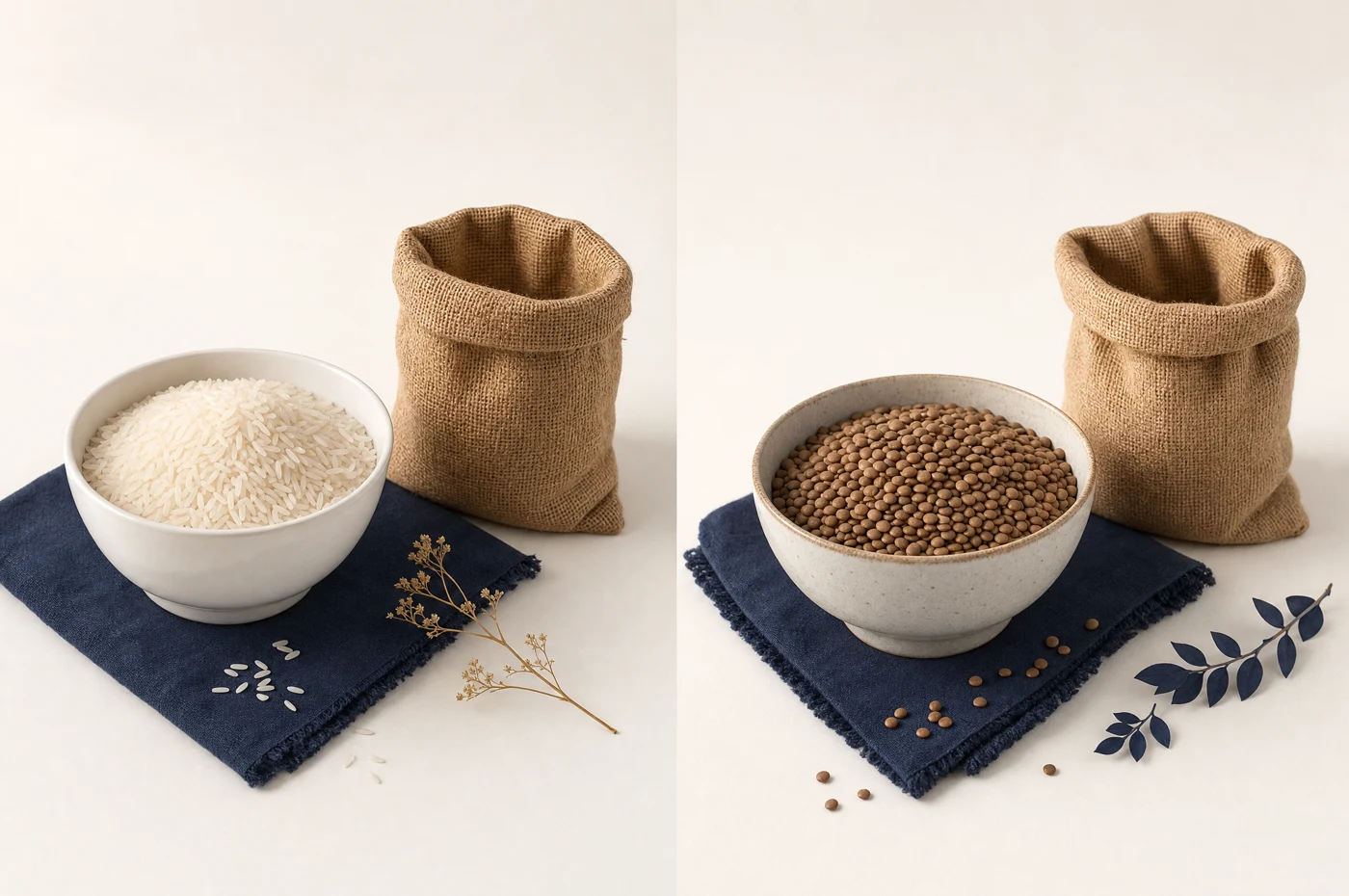
For example, a retailer comparing rice options could specify the preferred variety, retail pack size, approximate number of cartons and intended destination. A distributor discussing the same category might instead need a bulk format and a proposed repeat-order schedule. Neither request needs to assume an available minimum order or a guaranteed lead time. Those are questions for the quotation.
Turn the response into a decision record
Keep a short comparison that records the proposed specification, quantity unit, packaging, quoted scope and unanswered questions. A carton price is not directly comparable with a price per kilogram until the pack contents are clear. Likewise, a product-only figure should not be treated as the final delivered amount when transport or other responsibilities remain open.
Before proceeding, ask the parties to confirm the final version of the requirement in writing. Record any approved substitutions and how a change in quantity or timing affects the offer. This creates a practical reference for the next conversation and helps the buyer avoid making a decision from a headline figure alone.
Bring commercial details into the conversation
Discuss destination, timing, payment arrangements and responsibilities alongside the product itself. Record agreed terms clearly rather than relying on assumptions carried over from a previous transaction.
RAAMZION welcomes sourcing inquiries across its selected product categories. Share your requirement so that the discussion can focus on suitable commercial opportunities.